ANZ
 Brazil
 America Latina
 France
 Germany
 Italy
 Portugal
 Nordics
 North America
 South Africa
 United Kingdom

Thinking Green
Thinking Green

Submitted by: The Two Sides Team May 29, 2012
Here is another article which appeared in Business Reporter, recently distributed with the Daily Telegraph. Martyn Eustace, director of Two Sides, explains how Two Sides challenges the misconceptions that surround the print industry’s environmental credentials.
Why printing really doesn’t cost the earth.
The print industry is fighting back – not only against tough trading conditions but against the misconceptions that surround its environmental credentials.
Industry pressure group Two Sides was set up in 2008 with a view to challenging some of the rhetoric used by companies wanting to encourage customers to switch to online billing and statements.
“All our surveys show that the public believe that in some way print media is responsible for damaging the rainforests and this is far from the truth,” says director Martyn Eustace.”Of the pulp we use to make paper, 80 per cent comes from within Europe and the forests there are 30 per cent bigger today than they were in 1950. They also think that print media is wasteful because of terms like ‘junk mail’ – but the recycling rates for Europe are about 69 per cent and in the UK it’s 79 per cent. It’s one of the best performing sectors.”
Increasingly eco-aware print companies are playing a role in helping customers improve their sustainability around printing, suggests Marcus Timson, director of the Ecoprint show. They do this by advising them on grades of paper, print methods and at every stage of the print process. “The reality is that print’s old image isn’t true today,” Timson says. “The advantage with digital, for example, is that you print what you need, when you need it, and you don’t have to do half of the processes you used to have to do with analogue.”
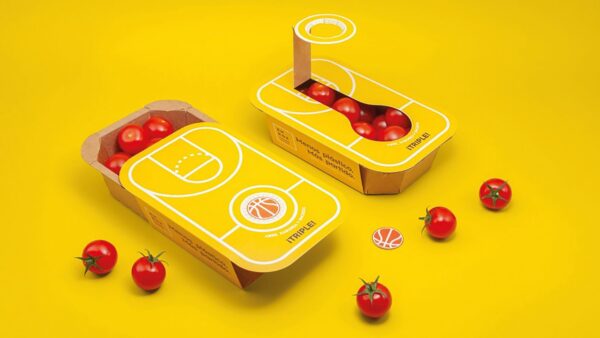
The packaging industry comes in for even more grief. Despite its economic importance (it boasts annual sales of £10bn and employs 85,000 people), it is an easy target for politicians and the green lobby. When many of us think about packaging we think of branded plastic bags at supermarkets or over-packaged items full of plastic and cardboard, designed and printed to grab our attention. However, the packaging industry has also been responsible for many innovations: plastic bottles and tubes; child resistant items; pharmaceutical packaging; oven-proof and microwaveable packaging; chilled and frozen food packaging. Furthermore, less than 20 per cent of household waste is packaging and less than 5 per cent of packaging ends up as landfill.
Not surprisingly, retailers are also keen to cut the costs and volume of packaging – Tesco alone spends £600m on it. However, it’s not going to be quite that easy. Beautifully printed packaging serves more than a marketing function – it also keeps our food and other goods fresh and undamaged. In many cases it saves money by keeping a product in peak condition until used or consumed. For example, according to the Packaging Federation, in less developed countries that lack the UK’s distribution and packaging systems, as much as 50 per cent of food never reaches consumers.
This article was written by Steve McCormack. Steve is a writer, editor and editorial project manager with experience in the technology, business, construction and property sectors. He has worked for market-leading professional publications in the UK and overseas, as well as written for the national press.


Share this story