Designing Packaging For Circularity: What Consumers Want And How Design Can Deliver
Consumer expectations around packaging are evolving rapidly. As awareness of environmental issues grows, people are looking beyond headlines and asking more practical questions: Is this packaging recyclable? Is it necessary? Is it designed responsibly?
The Two Sides Trend Tracker 2025 shows that packaging now plays a significant role in trust, purchasing behaviour and brand perception, particularly in the context of online shopping and single-use materials. At the same time, packaging designers and manufacturers are increasingly focused on circular design principles that aim to keep materials in use for longer and reduce waste from the outset.
Taken together, consumer insight and circular design thinking point in the same direction.
What Consumers Are Telling Us About Packaging
The Trend Tracker 2025 highlights strong support for paper-based packaging and growing intolerance for packaging that is difficult to recycle or excessively provided:
- 53% of consumers believe paper-based packaging is better for the environment
- 62% prefer products ordered online to be delivered in paper packaging
- 75% associate paper packaging with compostability or biodegradability
- 51% say paper is easier to recycle than other packaging materials
Importantly, these preferences influence behaviour. 41% of consumers say they would consider avoiding a retailer that is not actively trying to reduce non-recyclable packaging, while 69% want packaging that is appropriately sized to minimise waste.
These findings suggest that material choice alone is no longer enough. Consumers expect packaging to be thoughtfully designed, not just labelled as sustainable.
Circularity Starts At The Design Stage
The Stora Enso “Here’s how you design for circularity” guide provides a useful example of how circular economy principles are being translated into practical packaging design considerations. Rather than focusing on end-of-life alone, the document emphasises that sustainability outcomes are largely determined before packaging ever reaches the consumer.
Key principles highlighted include:
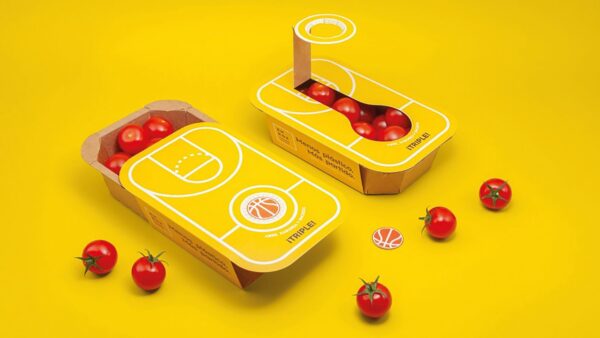
- Questioning the use of fossil-based materials and unnecessary plastic components
- Choosing fibre-based materials that work within established recycling systems
- Designing packaging that can be easily emptied, cleaned and recycled
- Reducing complexity by avoiding unnecessary layers, coatings and add-ons
These principles closely reflect the expectations identified in the Two Sides Trend Tracker. Consumers are not asking for perfection, they are asking for packaging that makes sense, fits existing recycling systems and avoids avoidable waste.
Making Recycling Easier By Design
While recycling awareness is improving, the Trend Tracker shows that confusion remains, even for well-established materials. Consumers often want to recycle correctly but are unsure how to do so, particularly when packaging combines multiple materials or lacks clear instructions.
The Stora Enso document places strong emphasis on consumer involvement, including:
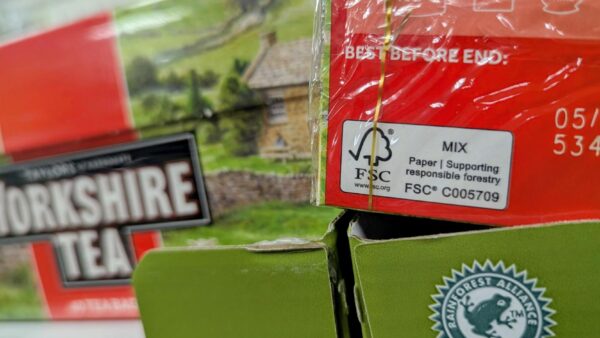
- Clear communication of material types
- Simple, visible recycling instructions
- Design choices that reduce the need for consumers to separate complex components
This aligns closely with Trend Tracker findings showing that consumers value clarity and ease when making sustainable choices. When packaging is designed to support recycling, rather than relying on consumer guesswork, both recovery rates and trust improve.
Right-Sizing And Material Efficiency Matter
Another area where consumer insight and circular design overlap is packaging efficiency. The Trend Tracker shows that 69% of consumers prefer appropriately sized packaging for online deliveries, reflecting concern about unnecessary material use and waste.
Circular design guidance highlights similar priorities:
- Reducing weight where possible
- Avoiding oversized or over-engineered packaging
- Ensuring packaging protects the product without excess material
For consumers, right-sizing is a visible signal of responsibility. For the industry, it is a practical way to reduce material use, emissions and waste, reinforcing the circular economy in practice.
From Consumer Insight To Better Packaging Outcomes
The message from consumers is clear: they want packaging that is renewable, recyclable and responsibly designed, not simply labelled as sustainable.
The Two Sides Trend Tracker 2025 provides the evidence base for these expectations, while circular design frameworks, such as those outlined in the Stora Enso guide, show how these expectations can be addressed through better design decisions.
Paper-based packaging already benefits from high levels of consumer trust. Designing it with circularity in mind, using clear material choices, efficient structures and consumer-friendly recycling guidance helps ensure that trust is maintained and strengthened.
A Shared Direction Of Travel
Consumer attitudes and circular design thinking are increasingly aligned. Both point towards packaging that:
- Uses renewable, fibre-based materials
- Works effectively within existing recycling systems
- Is designed to minimise waste and complexity
- Makes sustainable choices easier for consumers
The challenge and opportunity for brands, retailers and packaging designers is to ensure that packaging design reflects this shared direction of travel.
By grounding design decisions in consumer insight, and communicating clearly about how packaging works in practice, the industry can support a more informed, more circular approach to packaging. One that meets expectations today and builds confidence for the future.
Download the Stora Enso ‘Here’s how you design for circularity’ guide here.

 ANZ
 Brazil
 America Latina
 France
 Germany
 Italy
 Portugal
 Nordics
 North America
 South Africa
 United Kingdom