ANZ
 Brazil
 America Latina
 France
 Germany
 Italy
 Portugal
 Nordics
 North America
 South Africa
 United Kingdom

As the new rules approach, many are questioning how the tax will impact packaging practices, product prices, and the future of recycling in the UK.
The UK is preparing to roll out a new packaging levy under the Extended Producer Responsibility (EPR) scheme—a move that will shift the financial burden of packaging waste management from taxpayers to the businesses that produce the packaging. With the potential to raise up to £2 billion annually, the policy is designed to encourage companies to adopt more sustainable packaging and improve recycling infrastructure. However, it also raises concerns about increased costs for both businesses and consumers.
The EPR scheme is a government policy that requires businesses to cover the costs of managing and recycling the packaging materials they place on the market. This means that companies must take responsibility for their products’ entire lifecycle, from production to disposal. Under the scheme, businesses will need to report the volume and type of packaging they use and will pay fees based on that data starting in 2025.
The Department for Environment, Food & Rural Affairs (Defra) argues that the EPR scheme will incentivise more sustainable packaging and help reduce the environmental impact of waste. By making producers financially responsible, the government hopes to encourage innovation in packaging design and fund improvements to recycling systems.
One of the most significant effects of the EPR scheme will be on the types of packaging businesses use. Since fees are based on the weight and recyclability of packaging materials, companies will be financially motivated to switch to materials that are easier and cheaper to recycle.
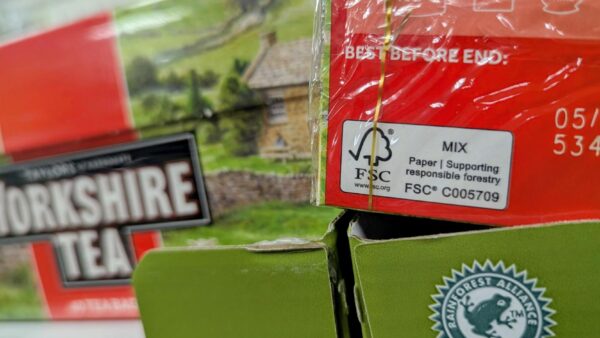
For instance, paper-based packaging could see increased implementation due to its lower environmental footprint and widespread recyclability. Paper and cardboard are already among the most commonly recycled materials in the UK, with a recycling rate exceeding 80%. Businesses looking to minimise their financial exposure may turn to paper-based alternatives for product packaging, particularly for items traditionally packaged in plastic.
However, there are concerns that companies might opt for lightweight plastics to reduce costs, even though these materials are more challenging to recycle. Glass packaging, while fully recyclable, is heavier and may become a less attractive option due to the higher associated fees. Without careful regulatory oversight, the tax could unintentionally drive a shift toward less sustainable materials.
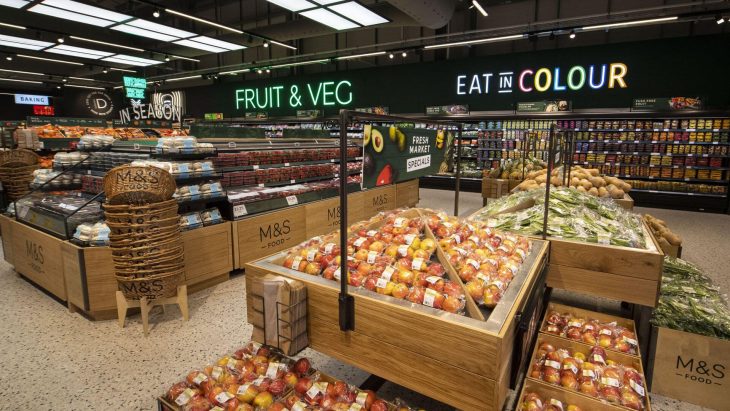
The EPR scheme is expected to impose substantial costs on producers, which many industry experts warn could be passed on to consumers. Marks & Spencer, for example, estimates it will face an annual bill of £40 million due to the new packaging charges. Similarly, the British Retail Consortium warns that the £2 billion raised annually will significantly burden retailers, resulting in increased prices for everyday goods.
For paper packaging producers, this could present both a challenge and an opportunity. Companies using recycled or sustainably sourced paper may benefit from the shift away from plastic, but the increased cost of compliance could pressure smaller packaging firms, particularly those without the resources to rapidly transition to new materials.
This cost increase comes at a time when households are already facing financial pressures due to rising inflation and living expenses. Some industry leaders like Stuart Machin, CEO of Marks & Spencer, argue that the government is unfairly targeting the retail sector, which has the potential to lead to job losses and further economic strain.
While the EPR scheme is intended to improve recycling infrastructure, there are concerns about how the money raised will be used. Critics argue that local councils could use the funds to fill budget deficits rather than investing in sustainable waste management systems. If the money is not ring-fenced for environmental projects, the core goal of reducing packaging waste could be compromised.
This issue is particularly pressing as many local councils face continued financial strain. The packaging tax is expected to relieve some of these pressures by providing funding for waste collection and recycling programs. But unless there is transparency and accountability regarding how the funds are allocated, the public may see little improvement in recycling services, despite increased costs.
All this being said, the EPR scheme presents an opportunity for packaging innovation. Companies that invest in sustainable packaging now may gain a competitive advantage as consumer demand for environmentally responsible products continues to grow. Paper-based packaging, already a leading sustainable choice, is likely to play a central role in meeting new regulatory requirements while minimizing environmental impact.
For businesses, the key will be to balance cost management with sustainability goals. For consumers, the hope is that increased investment in recycling infrastructure will lead to better waste management and more transparent, effective environmental policies.
As the UK navigates this significant policy change, one thing is clear: the way we package, purchase, and recycle goods is about to undergo a major transformation.