American Latina
 Brazil
 Czech
 Finnish
 France
 Germany
 Italy
 Norway
 North America
 Polish
 Portugal
 South Africa
 Swedish
 Spanish
 United Kingdom


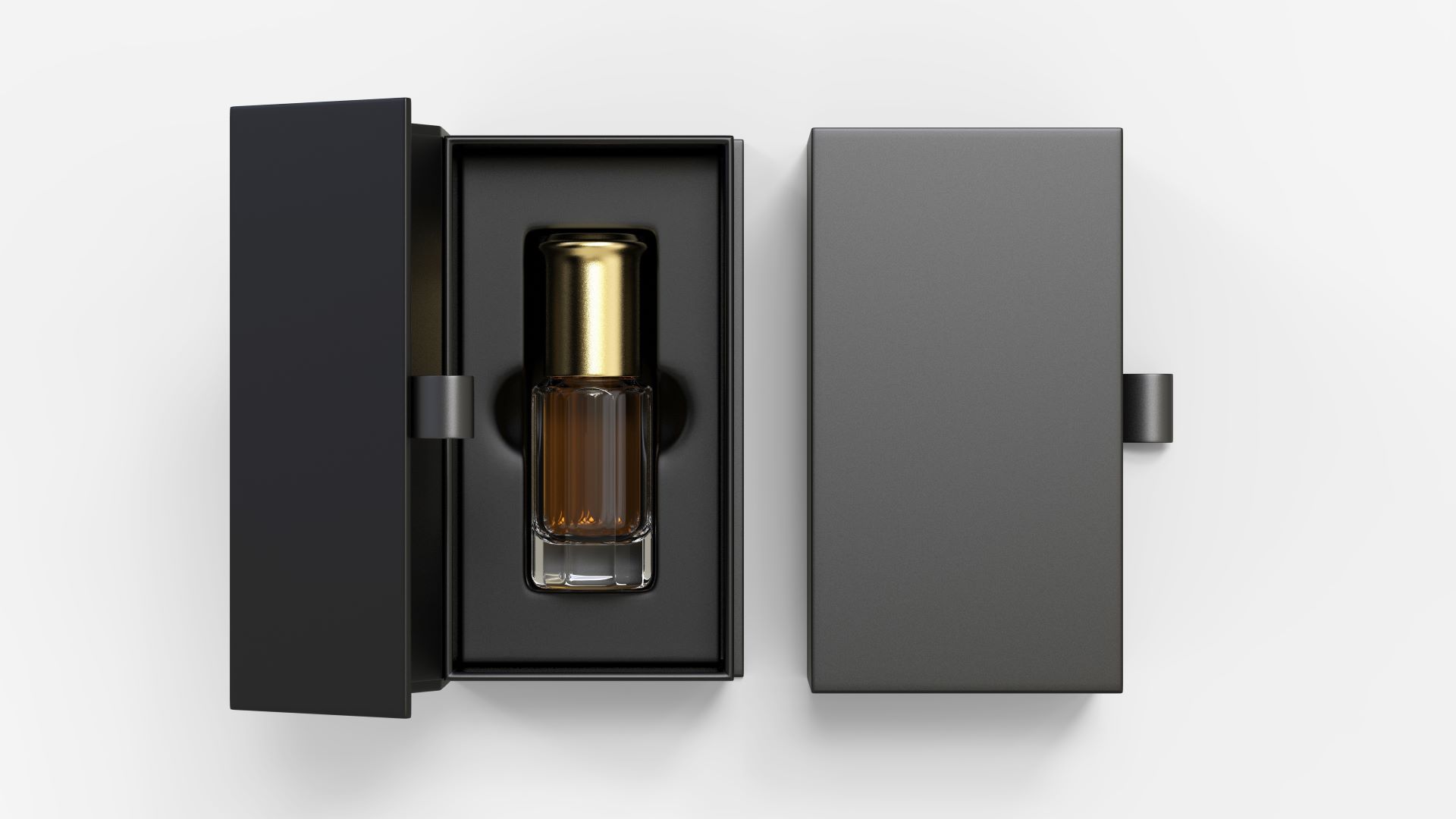
Discover how sustainability is driving the rapidly expanding luxury packaging market.
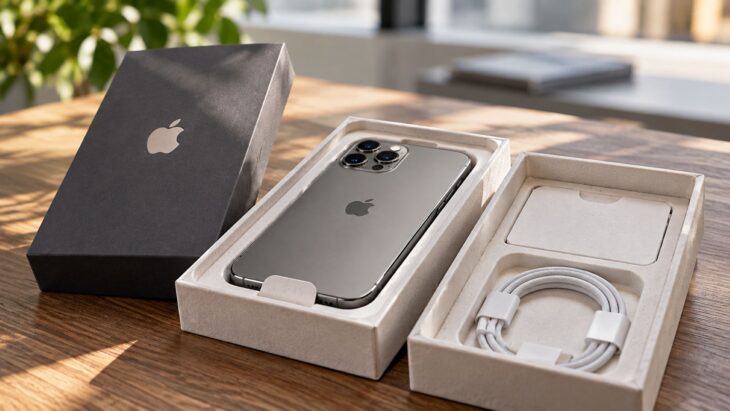
One of the loose rules of the modern consumer packaging industry is that the more expensive the item, the more luxurious the packaging. If you’re spending upwards of £100 on a device, gadget or beauty product, you expect the quality of the packaging to match the quality of the item. And if it doesn’t, your trust in the brand can plummet.
According to research by Ipsos, 72% of shoppers are influenced by a product’s packaging design, which is why a large brand will spend millions on developing and producing the packaging for a new luxury product. Whether it’s perfume, a smartphone, jewellery or any one of the many things available to those with a hefty disposable income, the packaging will be designed to give maximum pleasure when opened and the greatest chance of being shared on social media.
The latest Global Luxury Packaging Market report states that the market size reached a staggering $16.8bn in 2023 and is projected to reach $24.2bn by 2032, propelled by the “rising sales of high-end and luxury products, numerous innovations in sustainable packaging, and growing demand for premium brand differentiation.”
Trends And Influences
Like everything in the consumer arena, luxury packaging goes through cycles and trends. Right now, those trends include interactivity, customisation, minimalism and sustainability. With interactivity, brands are exploring how they can increase engagement with their packaging using augmented reality experiences, hidden messages or physical elements such as pull-out compartments, transform the unboxing experience into a memorable event.
Meanwhile, advances in digital printing are enabling brands to personalise and customise packaging to deliver bespoke packaging tailor-made for the individual. That could be personalised messages or designs, delivering a sense of exclusivity and strengthening the bond between brand and the consumer. And it works: a study by IMRG, the UK Ecommerce Association, found that 74% of consumers are likely to make repeat purchases from brands that are more personable.
The Sustainability Factor
However, the largest influence in modern luxury packaging is sustainability. With every company, brand and product under increasing scrutiny not only to strengthen their environmental credentials but prove them as well, there’s a harsh spotlight on packaging and how sustainable its materials are.
That spotlight doesn’t just come from legislation and the authorities. Recent research by Ipsos found that 85% of consumers will choose brands that align with their concerns about climate change and the environment. So it makes good sense from both a business and an environmental perspective to focus efforts on finding more sustainable solutions for luxury packaging. Those solutions include recycled materials, biodegradable coatings and water-based inks, with the entire package fully recyclable in standard waste streams.
As the market for luxury products expands, so will the need for premium packaging that satisfies the environmental values of increasingly eco-aware consumers. Get it wrong and it could be a very expensive mistake.
The Global Luxury Packaging Market report can be downloaded at researchandmarkets.com/report/luxury-packaging