American Latina
 Brazil
 Czech
 Finnish
 France
 Germany
 Italy
 Norway
 North America
 Polish
 Portugal
 South Africa
 Swedish
 Spanish
 United Kingdom


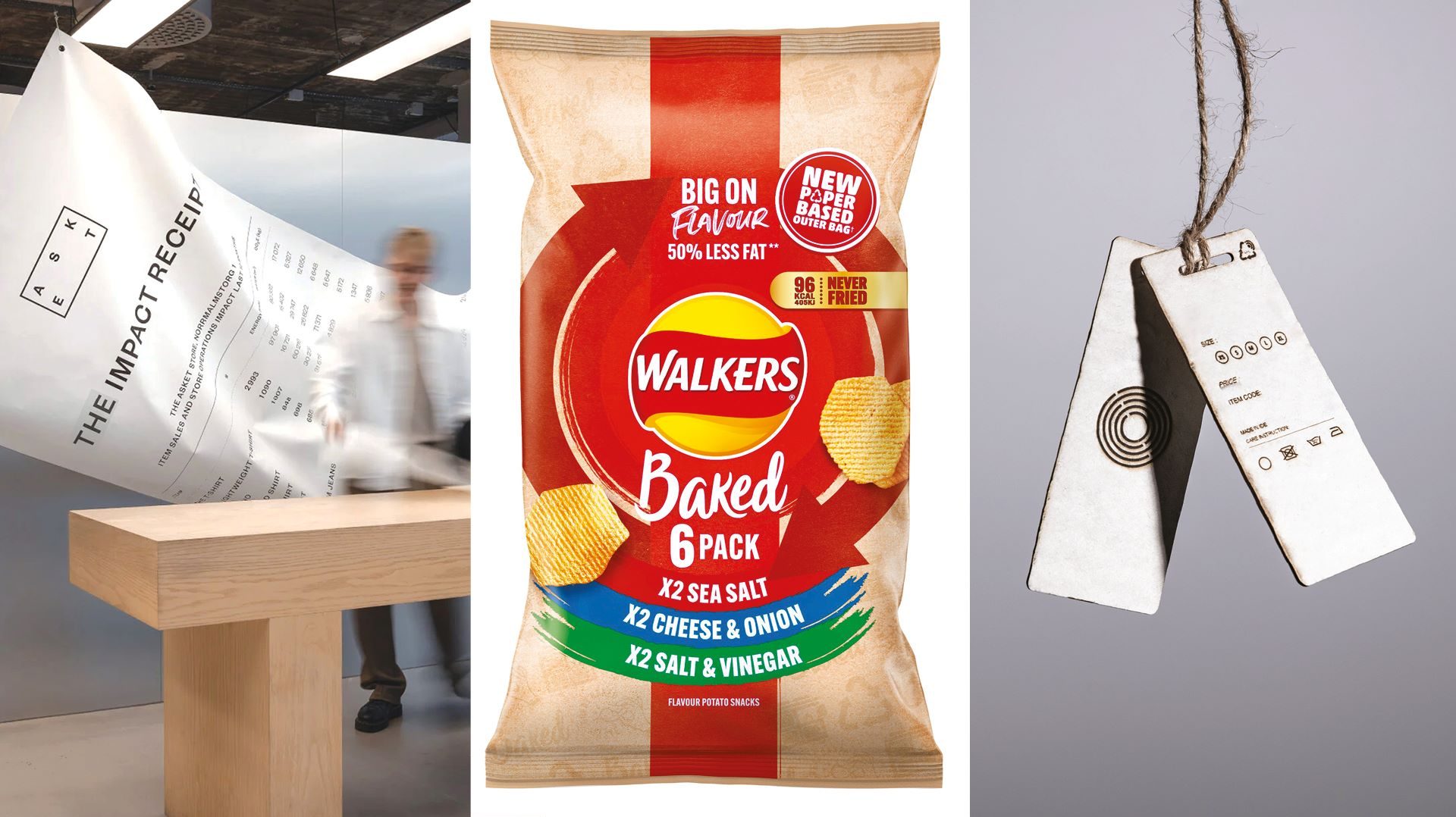
The latest creative and effective uses of print, from receipts that detail the carbon emissions of your purchase to metal-free RFID tags, we gather the latest examples of paper and print in action.
Snack Shift
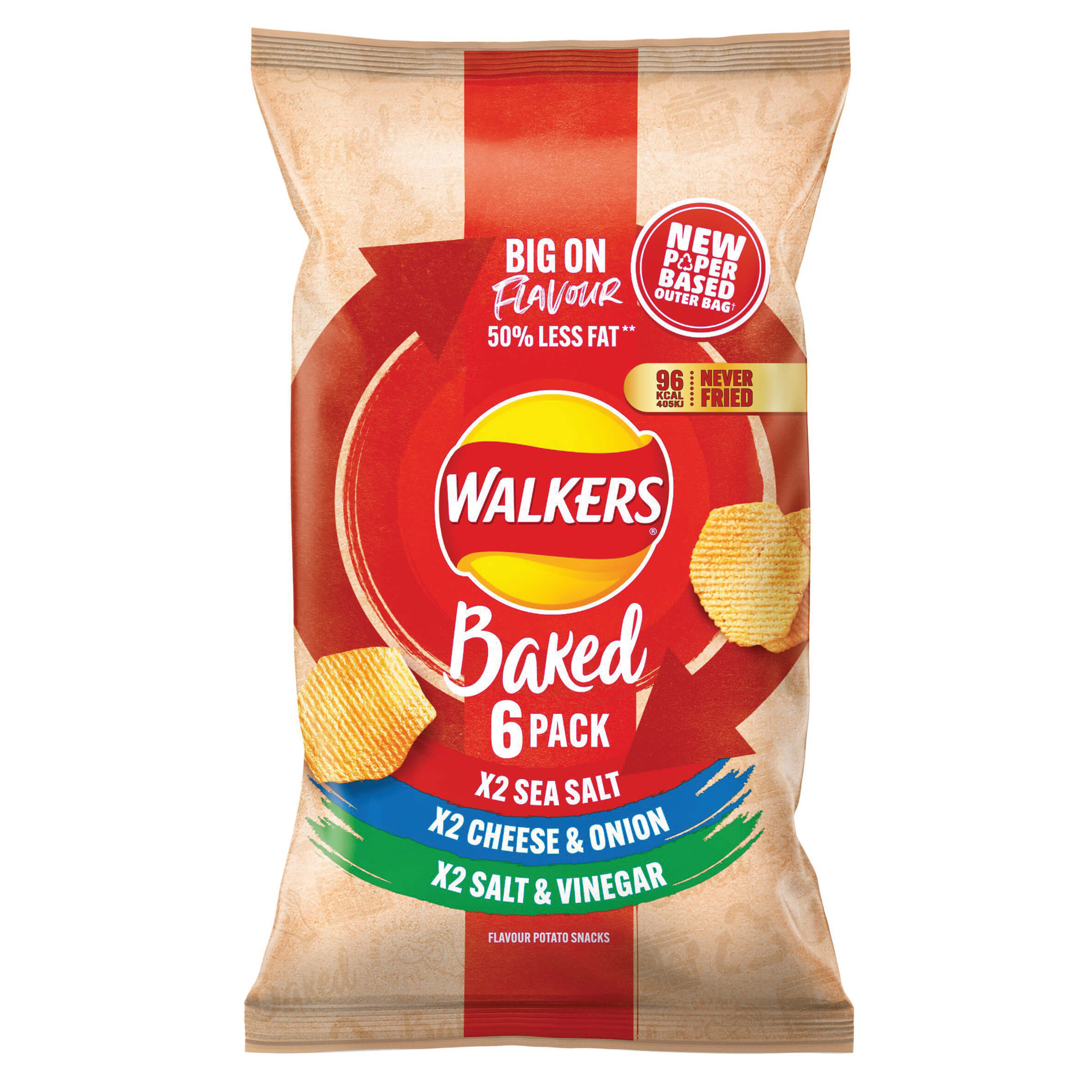
The latest food brand to switch from plastic packaging to paper is Walkers, which is converting the outer bag for its Baked multipacks following a successful trial. The company that owns the brand, PepsiCo UK and Ireland, states that the paper bag can be widely recycled in home recycling bins and the change will reduce its use of virgin plastic by 180 tonnes a year.
“We are constantly innovating new ways to remove virgin plastic in our packaging,” said Gareth Callan, Sustainable Packaging Lead at PepsiCo UK and Ireland. “It’s exciting to see our successful trial of this paper pack lead to a nationwide roll-out. At this scale, the new packaging will deliver a huge reduction in virgin plastic, while also helping to lower our carbon footprint.”
One Purchase, Two Receipts
Fashion brand Asket has begun issuing a carbon emissions receipt alongside its standard transaction receipt when customers buy one of its items. With a mission to fight the wastefulness of seasonal collections that fuel fast-consumption habits, the Swedish brand will now issue two receipts with every purchase.
The impact receipt will break down the environmental impact and cost of every Asket order, detailing the CO2 emissions, water usage and energy consumption required to make each garment, as well as the impact associated with the packaging and shipping choices.
“The aim is to encourage not only ourselves but also our customers and the industry as a whole to think about the environmental debt we’re creating,” said Sarah Arts, Head of Marketing for Asket. “But more than just disclosing information, we want to help people keep track of their consumption-based footprint.”
A Right Royal Welcome Back
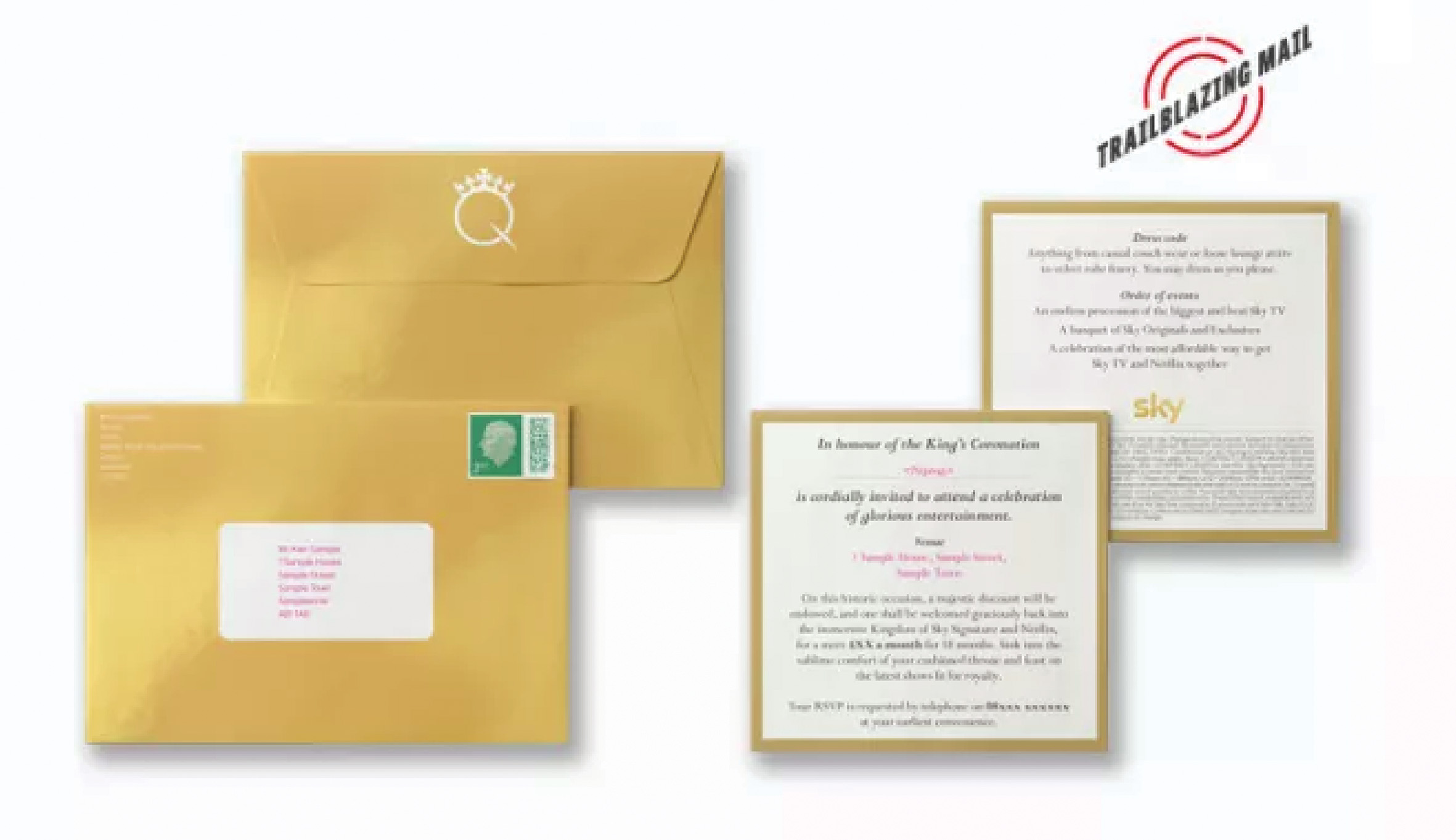
Sky are known for their creative use of mail, and their King’s Coronation mail pack has not only earned them a nomination for a DMA Award but a serious uptick in customer action. The mailer consisted of a personally addressed gold envelope containing a gold-bordered invitation requesting the attendance of the recipient at “a celebration of glorious entertainment”. This celebration was to take place at a familiar venue: the recipient’s own home.
The piece of mail also offered “a majestic discount” to welcome back ex-customers “into the immersive Kingdom of Sky Signature and Netflix.” Recipients were invited to “sink into the sublime comfort of your cushioned throne and feast on the latest shows fit for royalty.”
Sent to 350,000 Sky customers earlier this year, the results achieve a 105% better performance than the brand’s standard mailings. “It proves the power of a simple but well executed and beautifully crafted idea, and the effectiveness of using mail in fresh, surprising and interactive ways over the long-term,” said Nigel Edginton-Amor, Creative Director, Copy of Sky Creative.
The Long Long Read
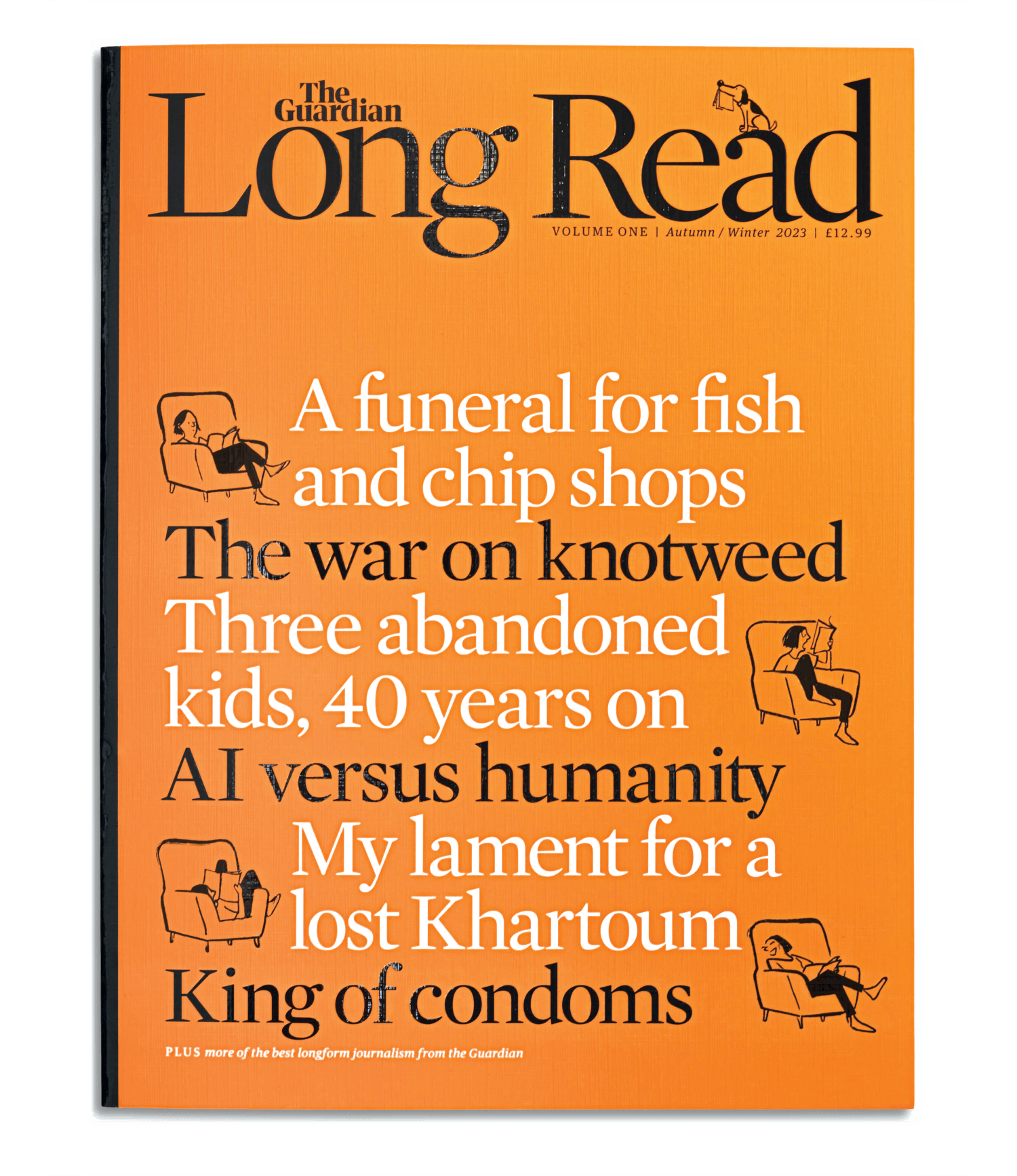
While many newspapers are ploughing a lot of resources into digital and audio media, The Guardian has returned its Long Read magazine to paper form. Having been a part of the newspaper for years, the print version has been relaunched as a ‘bookazine’, available in book shops as well as the newsstand, with luxurious paper stock and top-end design housing its 55,000 words.
“We know that for many people, myself included, when it comes to long, immersive pieces, reading in print – without the distraction of your phone or emails and notifications pinging in – is still the most satisfying reading experience, and one that should be cherished in a climate so saturated by disturbance,” said Chris Clarke, Executive Creative Director of the title.
The Metal-Free Chip
The problem of e-waste is growing, but while discarded devices such as IT equipment and smartphones are more visible, there is an increasing challenge with smaller items such as RFID tags. Used to track products around warehouses and stores, these tiny devices each contain a microchip and antenna. According to the latest report by consultancy IDTechEx, over 39 billion RFID tags are expected to be sold in 2023, most of which are single use, resulting in a lot of additional e-waste.
However, the London-based start-up PulpaTronics has a solution: a fully recyclable paper RFID tag. Made without microchips and metal, the innovative tag is formed using a laser that inscribes a conductive circuit directly onto paper, with information stored in the paper circuit rather than a microchip. According to the company, each paper RFID tag offers a 70% reduction in CO2 emissions compared to standard tag while being

Read more interesting articles like the above in the latest edition of The Page here!